How Do Tree Roots Enter Sewer Lines and Cause Blockages?
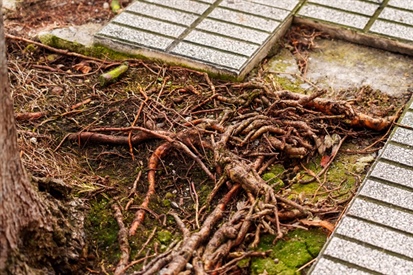
Tree roots growing into underground plumbing systems is a widespread issue that affects both older and newer properties. While trees provide shade and environmental benefits, their root systems are naturally designed to seek out moisture and nutrients wherever they can be found. Sewer infrastructure, especially when it has even minor imperfections, creates an environment that supports root intrusion. Over time, these roots can enter pipes, expand, and disrupt normal wastewater flow, leading to costly repairs and persistent drainage problems. Understanding how and why this process occurs helps property owners recognize early warning signs and reduce long-term damage.
This article explores the key mechanisms behind root intrusion, including why roots are drawn to sewer lines, the most common entry points such as cracks and weakened joints, and how roots grow once inside a pipe. It also examines how root expansion contributes to blockages and structural damage, along with environmental and structural factors that increase the likelihood of intrusion. Drain Pro Plumbing recognizes that these issues often develop gradually, making it important to understand the full lifecycle of root-related sewer problems before they escalate.
Why Tree Roots Are Attracted to Sewer Lines and Moisture Sources
Tree roots grow in response to environmental signals, primarily moisture gradients, oxygen availability, and nutrient concentration. Sewer systems consistently emit all three. Even when pipes are structurally intact, condensation forms along the exterior surface due to temperature differences between wastewater and surrounding soil. This creates a localized zone of higher moisture that roots can detect through hydrotropism, a biological response that directs growth toward water sources. Additionally, trace nutrients from organic waste can permeate through porous pipe materials or microscopic openings, further enhancing attraction.
Roots are highly adaptive and capable of extending long distances in search of favorable conditions. In urban and residential settings, natural water sources may be limited due to compacted soil, landscaping barriers, or irrigation patterns. As a result, underground plumbing systems often become one of the most reliable moisture sources available. This is particularly true for older infrastructure, where pipe materials such as clay or cast iron allow slight seepage that is not immediately visible on the surface but is easily detected by root systems.
Once roots begin to cluster near a pipe, they increase in density and pressure against the pipe surface. This sustained contact raises the likelihood of infiltration through even the smallest imperfections. Over time, what begins as a natural growth response can escalate into intrusion that affects flow capacity and structural integrity within sewer lines.
Common Entry Points Where Tree Roots Penetrate Sewer Pipes
Tree roots do not break into intact pipes without a pre-existing vulnerability. Instead, they exploit weaknesses that develop over time. The most common entry points include hairline cracks, separated joints, and areas where pipe materials have degraded due to age or corrosion. Clay pipes, which were widely used in older systems, are especially susceptible because they are segmented and joined at intervals, creating multiple potential points of failure. Cast iron pipes can corrode internally and externally, forming rough surfaces and fractures that allow root intrusion.
Improper installation also contributes to entry points. Misaligned joints, inadequate sealing, or insufficient bedding support can create small gaps that expand under soil pressure and seasonal ground movement. These gaps may be imperceptible during routine use but are large enough for fine root fibers to enter. Once inside, roots encounter a consistent supply of water and nutrients, which accelerates growth.
Modern materials such as PVC are more resistant to intrusion but are not immune. If joints are not properly sealed or if external forces cause shifting, openings can still form. These vulnerabilities are often identified during inspections associated with maintenance of plumbing systems, where early-stage root intrusion can be detected before it develops into a larger obstruction.
How Tree Roots Grow Inside Sewer Pipes and Expand Over Time
After penetrating a pipe, roots transition from exploratory growth to sustained expansion. Inside the pipe environment, conditions are highly favorable: there is continuous moisture, organic matter, and minimal competition from other plants. Roots respond by branching extensively, forming fibrous networks that spread along the interior surface. This process increases the surface area available for nutrient absorption and strengthens the root mass.
As the root structure thickens, it begins to act as a physical barrier within the pipe. Fine roots trap suspended solids such as grease, paper products, and sediment. These materials accumulate and bind to the root mass, gradually reducing the effective diameter of the pipe. The restriction increases flow resistance and can lead to slow drainage or partial blockages.
Over time, secondary growth occurs as roots become woody and rigid. This structural change allows them to exert pressure outward against the pipe walls. The combination of internal expansion and external soil pressure can worsen existing cracks and create new fractures. This progression explains why root intrusion is often a gradual issue that becomes severe if not addressed.
How Root Intrusion Causes Sewer Blockages and Structural Pipe Damage
Root intrusion affects sewer systems in two primary ways: obstruction of flow and degradation of pipe integrity. The initial impact is typically hydraulic. As roots accumulate debris, they reduce the cross-sectional area available for wastewater movement. This leads to increased velocity around the obstruction, turbulence, and eventual buildup upstream. In severe cases, this results in complete blockages and backups into connected fixtures.
Beyond flow restriction, roots contribute to mechanical damage. As they grow, they exert radial pressure on the pipe walls, widening cracks and forcing joints apart. In brittle materials such as clay, this pressure can cause fragmentation. In metal pipes, corrosion combined with root pressure accelerates structural failure. These processes can ultimately lead to partial collapse or full pipe failure.
The interaction between roots and wastewater also creates additional complications. Organic matter trapped within the root mass decomposes, producing gases and chemical byproducts that can further degrade pipe materials. Over time, the combined effects of biological growth and mechanical stress significantly reduce the lifespan of the sewer system.
Key Factors That Increase the Risk of Tree Root Intrusion in Sewer Systems
Several environmental and structural factors influence the likelihood of root intrusion. One of the most significant is the age of the infrastructure. Older systems are more likely to contain materials that are prone to cracking, joint separation, or corrosion. These conditions create entry points that would not exist in newer, properly installed systems. Additionally, older pipes may have experienced decades of soil movement, further increasing vulnerability.
The proximity and type of vegetation also play a major role. Large trees with aggressive root systems, such as maples, willows, and elms, are known for extensive root spread. When planted near underground utilities, their roots naturally expand toward available moisture sources. Soil composition and moisture levels can either accelerate or limit this behavior. Loose, well-aerated soil allows roots to travel more easily, while compacted soil may direct them toward consistent moisture sources like sewer pipes.
Lack of regular inspection and maintenance is another contributing factor. Without periodic evaluation, small issues such as minor cracks or early-stage root intrusion can go undetected. Over extended periods, these minor issues develop into significant structural and functional problems. Understanding these risk factors is critical for identifying conditions that make sewer systems more susceptible to root-related damage.
Professional Sewer Solutions for Root Intrusion and Pipe Protection
Addressing tree root intrusion requires a detailed understanding of both plumbing systems and environmental conditions. Drain Pro Plumbing provides services designed to identify, manage, and resolve issues related to root growth within sewer infrastructure. Located in Minnesota, the company evaluates pipe condition, detects intrusion points, and applies solutions tailored to the specific material and layout of the system.
Property owners experiencing slow drains, recurring backups, or signs of pipe damage can benefit from professional assessment. Drain Pro Plumbing offers expertise in diagnosing the underlying causes of sewer issues rather than treating only surface symptoms. For direct assistance, contact their team at 952-469-6999 to discuss inspection and service options.
Taking action early reduces the risk of extensive repairs and helps maintain the performance of underground plumbing systems. For more information or to schedule service, visit the contact us page and connect with the Drain Pro Plumbing team.