How Does a Residential Drain and Sewer System Work From Your Home to the Street?
Every time you turn on a faucet, flush a toilet, or run a washing machine, wastewater begins a carefully engineered journey out of your home. That process may seem simple on the surface, but a residential plumbing system is designed with precision to move water safely, prevent harmful gases from entering living spaces, and direct waste efficiently toward the municipal sewer or septic system. From the moment water leaves a fixture to when it reaches the street, each component plays a defined role in maintaining sanitation, flow control, and system integrity. Companies like Drain Pro Plumbing understand that this system is not just about pipes—it is about coordinated performance across multiple stages.
To fully understand how this system works, it helps to break it down into key parts. We will explore how drainage begins at individual fixtures, how branch lines connect to a central main line, and how vent pipes regulate airflow to keep everything moving correctly. You will also learn how gravity and pipe slope drive wastewater toward its destination and how the final connection links your home to the broader sewer infrastructure. Along the way, concepts like drain function, airflow balance, and system design will become clear, giving you a complete view of what happens behind your walls every day.
How Drainage Inside the Home Works: Fixtures, Traps, and Branch Lines
Wastewater begins its journey at plumbing fixtures such as sinks, toilets, showers, and appliances. Each fixture is connected to an individual drain line that directs used water away from the point of use. These lines are carefully sized and positioned to handle varying flow rates, from intermittent sink usage to the sudden discharge of a toilet flush. The design ensures that wastewater is removed quickly without allowing backflow or stagnation within the system.
A critical component at every fixture is the P-trap, a curved section of pipe that retains a small amount of water after each use. This water seal acts as a barrier that prevents sewer gases—such as methane and hydrogen sulfide—from entering the home. Without this trap, harmful and unpleasant gases could travel freely through the plumbing system. The trap must remain filled with water to function properly, which is why infrequently used fixtures can sometimes produce odors.
These individual fixture drains connect to branch lines that carry wastewater toward larger pipes. Branch lines are installed with precise angles and diameters to maintain consistent flow and avoid buildup. When maintained properly, systems that include routine drain cleaning help ensure these lines remain free of debris, grease, and mineral accumulation that could restrict movement.
The Main Drain Line: Connecting Your Home to the Sewer System
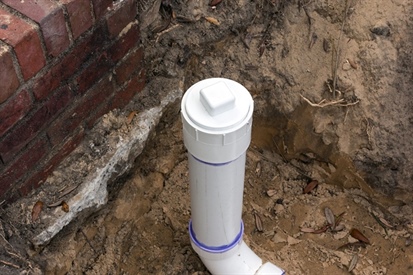
All branch lines within a home eventually converge into a single main drain line, also referred to as the building sewer line. This pipe is typically larger in diameter and designed to carry the combined wastewater load from the entire home. It runs underground from the foundation toward the street or septic system, forming the primary pathway for waste removal.
The main drain line must be constructed from durable materials such as PVC, ABS, or cast iron to withstand constant exposure to moisture and waste. It is installed below grade with a consistent slope, allowing wastewater to flow naturally without mechanical assistance. Any obstruction or structural issue within this line can impact the entire plumbing system, leading to backups across multiple fixtures.
Proper maintenance of this system is critical, especially when addressing buildup or blockages deep within the line. Professional sewer cleaning techniques are designed to clear obstructions while preserving pipe integrity, ensuring that wastewater continues to move efficiently toward its destination.
Vent Pipes and Airflow Regulation in Plumbing Systems
Plumbing systems rely not only on water movement but also on air pressure balance. Vent pipes, often extending through the roof, allow air to enter the system and equalize pressure as wastewater flows through pipes. Without proper venting, negative pressure could develop, disrupting flow and potentially siphoning water out of traps.
When traps lose their water seal due to siphoning, sewer gases can enter the home. Vent stacks prevent this by maintaining atmospheric pressure within the drainage system. They also allow sewer gases to safely escape above the roofline, where they disperse harmlessly into the air.
Vent systems are interconnected with drain lines throughout the home, forming a complete network that supports both fluid movement and air circulation. This balance ensures that wastewater flows smoothly while maintaining the protective function of traps and preventing pressure-related issues within the system.
Gravity and Pipe Slope: How Wastewater Moves to the Street
Residential drainage systems are designed to rely on gravity rather than mechanical force. Pipes are installed with a specific slope—commonly around one-quarter inch per foot for horizontal runs—to create a steady downward flow. This slope is critical; too steep, and water may outrun solid waste, leading to buildup, while too shallow a slope can cause slow drainage and accumulation.
Gravity-driven flow allows wastewater to move continuously from higher points within the home to lower points in the main sewer connection. This design minimizes the need for pumps in most residential systems and reduces the risk of mechanical failure. Proper slope also helps maintain self-cleaning velocity, where flowing water carries solids along without leaving residue behind.
Accurate installation is essential to maintaining this balance. Even minor deviations in slope can lead to long-term performance issues. Over time, sediment, grease, or debris can accumulate in poorly sloped sections, reinforcing the importance of precision during construction and ongoing system evaluation.
Connection to Municipal Sewer or Septic System
Once wastewater exits the home through the main drain line, it connects to either a municipal sewer system or a private septic system. In municipal systems, the home’s sewer line ties into a larger public sewer main located beneath the street. This network transports wastewater to treatment facilities, where contaminants are removed before the water is released back into the environment.
In areas without access to municipal infrastructure, septic systems provide on-site treatment. Wastewater flows into a septic tank, where solids settle and partially decompose, while liquid effluent is distributed into a drain field for further filtration through soil. Both systems rely on proper flow, structural integrity, and routine maintenance to function effectively.
Understanding this final connection highlights the importance of system-wide performance. From the initial fixture to the point of discharge, each component must work in coordination. For more information about service capabilities and system support, visit Drain Pro Plumbing.
Understanding how a residential drain and sewer system works helps homeowners recognize the importance of proper design, installation, and maintenance. From fixture-level drainage to main line transport and final system connections, every stage plays a role in protecting the home and maintaining sanitary conditions. Drain Pro Plumbing provides professional insight and service across all aspects of these systems.
If you are experiencing slow drains, recurring backups, or concerns about your sewer connection, professional evaluation can identify the root cause and prevent further issues. Drain Pro Plumbing is located in Minnesota and offers comprehensive plumbing services tailored to residential systems. For assistance, call 952-469-6999.
To schedule service or request more information, visit the contact us page. Their team provides detailed assessments and solutions that address each part of the drainage system, from internal fixtures to the main sewer connection.