What Causes Buildup Inside Drain Pipes Over Time?
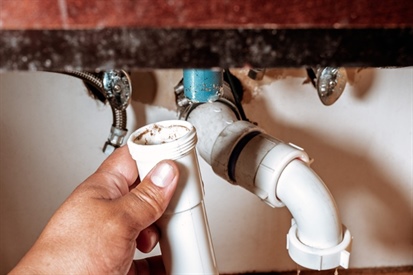
Drain pipes are designed to carry wastewater away efficiently, but over time, even well-maintained systems begin to develop buildup along their interior walls. This accumulation doesn’t happen all at once—it forms gradually as everyday materials pass through your plumbing system. Substances like grease, soap residue, organic debris, and mineral deposits interact in ways that cause layers to form, harden, and restrict water flow. Understanding how and why this buildup occurs is key to preventing long-term damage and maintaining proper drainage performance.
At Drain Pro Plumbing, many common drain issues can be traced back to routine household activities that seem harmless in the moment. Cooking oils poured down the sink, soap used during daily cleaning, and even hair or food particles can all contribute to internal pipe buildup. In the sections below, we’ll break down how grease solidifies, how hard water creates scale, how organic materials accumulate, how foreign objects cause obstructions, and how pipe condition over time contributes to restricted flow. If you’ve ever needed plumbing services due to slow drains or recurring clogs, these underlying causes are often the reason.
How Grease, Fats, and Oils Cause Drain Pipe Buildup Over Time
Grease, fats, and cooking oils are among the most common contributors to buildup inside residential and commercial drain systems. When these substances are poured down a drain, they are typically in a liquid state due to heat. However, as they travel through pipes and cool, they undergo a phase change and begin to solidify. This transformation creates a sticky, wax-like coating along the interior pipe walls, which becomes a foundation for additional debris accumulation.
Once grease adheres to pipe surfaces, it significantly alters the internal flow dynamics. The sticky layer traps passing materials such as food particles, soap residue, and organic waste. Over time, these materials bond with the grease layer, creating dense obstructions that narrow the effective diameter of the pipe. This restriction increases friction and slows water movement, often resulting in recurring clogs and backups. In municipal systems, similar processes contribute to large-scale blockages known as fatbergs.
Temperature fluctuations and pipe material also influence how quickly grease buildup forms. In colder climates, grease solidifies more rapidly, accelerating accumulation. Pipes with rough interior surfaces provide more adhesion points for grease deposits, making buildup more severe. These issues are frequently addressed through professional plumbing maintenance, which removes hardened residues and restores proper flow capacity.
How Soap Scum and Hard Water Minerals Create Pipe Scale
Soap scum formation is a chemical reaction between soap and minerals commonly found in hard water, particularly calcium and magnesium ions. When soap interacts with these minerals, it forms insoluble compounds that adhere to pipe surfaces. Unlike simple residue, this material creates a hard, chalky layer that gradually thickens with continued use.
Over time, mineral scaling reduces the internal diameter of pipes, which restricts water flow and increases pressure within the system. This can lead to slow drainage, inefficient water movement, and greater strain on plumbing infrastructure. In extreme cases, heavy scale buildup can contribute to pipe corrosion or complete blockage. The process is especially pronounced in areas with high mineral content in the water supply, where repeated exposure accelerates deposition.
Scale buildup also creates a rough interior surface that promotes further accumulation of debris. Once established, these deposits are difficult to remove without specialized equipment. The interaction between soap residue and minerals demonstrates how chemical processes within everyday water usage contribute to long-term pipe degradation.
How Hair, Food Particles, and Organic Waste Accumulate in Drains
Hair, food scraps, and organic debris are constantly introduced into drain systems through routine activities such as washing, cooking, and cleaning. Individually, these materials may seem small enough to pass through plumbing without issue. However, their physical properties allow them to combine and form larger obstructions over time, especially when other substances are present.
Hair is particularly problematic because of its ability to bind with grease and soap residue, forming dense clumps that resist water flow. Similarly, food particles can swell when exposed to moisture, increasing in size and contributing to blockages. Organic waste also decomposes within pipes, producing byproducts that encourage bacterial growth and further accumulation.
The interaction between organic materials and existing pipe buildup compounds the problem. As debris becomes trapped in sticky or rough surfaces, it creates a layered effect that progressively restricts the pipe’s interior. This process highlights how routine waste disposal habits directly influence long-term drainage performance.
How Foreign Objects and Non-Flushable Materials Block Pipes
Foreign objects and non-flushable materials are a major cause of severe drain blockages. Items such as wipes, paper towels, hygiene products, and other synthetic materials do not break down easily in water. When introduced into plumbing systems, they can become lodged at bends, joints, or narrow sections within pipes.
Unlike organic waste, these materials maintain their structural integrity as they travel through the system. This allows them to act as anchors that trap additional debris, accelerating the formation of larger blockages. Even products labeled as “flushable” often fail to disintegrate quickly enough to prevent accumulation, especially in residential plumbing systems not designed to handle such materials.
The presence of foreign objects disrupts normal water flow patterns, leading to pressure buildup and increased risk of backups. Over time, repeated introduction of these materials can result in significant obstructions that require mechanical removal or advanced cleaning methods.
How Pipe Condition and Biofilm Growth Contribute to Buildup
The condition of a pipe’s interior surface plays a critical role in how buildup develops over time. Older pipes, particularly those made from materials prone to corrosion or scaling, often have rough or uneven interiors. These imperfections create ideal conditions for debris to adhere and accumulate more easily than in newer, smoother piping systems.
In addition to physical factors, biological processes also contribute to buildup. Biofilm is a layer of microorganisms, including bacteria, that forms on wet surfaces inside pipes. This biofilm acts as a sticky matrix that traps organic material, grease, and minerals. As it grows, it thickens and further restricts the flow of water.
Biofilm development is continuous in environments where moisture and organic nutrients are present. Over time, this layer becomes a significant contributor to reduced pipe efficiency and persistent drainage issues. The combination of aging infrastructure and biological growth underscores the importance of regular system maintenance and inspection.
Drain buildup is rarely caused by a single issue. It develops over time through a combination of grease accumulation, mineral deposits, organic debris, foreign objects, and pipe conditions. Each of these factors contributes to reduced flow, recurring clogs, and long-term strain on your plumbing system. Addressing these issues early can help prevent costly repairs and maintain efficient drainage.
Drain Pro Plumbing provides comprehensive solutions designed to address the root causes of buildup inside drain pipes. Whether dealing with hardened grease, scale from hard water, or obstructions caused by debris and non-flushable materials, their team uses proven methods to restore proper flow and functionality. Their experience with a wide range of plumbing systems allows them to identify and resolve issues effectively.
If you are experiencing slow drains, frequent backups, or suspect buildup inside your pipes, professional evaluation can help determine the underlying cause. Contact Drain Pro Plumbing at 952-469-6999 to schedule service. You can also reach out through their contact us page for assistance.