What Causes Recurring Drain Clogs Even After Professional Cleaning?
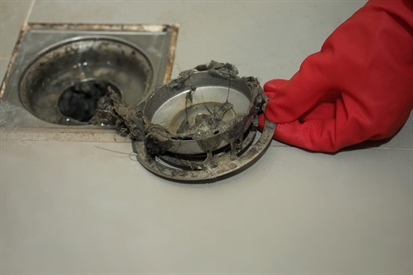
Recurring drain clogs can be frustrating, especially when they return shortly after a professional service has already cleared the line. Many homeowners expect that once a drain has been cleaned, the issue is permanently resolved. In reality, clogs often come back because the original cause was only partially addressed or because deeper structural or usage-related factors remain in place. Understanding what leads to these repeat blockages is key to identifying why a system continues to fail even after expert intervention. Companies like Drain Pro Plumbing often encounter situations where restored flow does not mean the underlying condition has been fully corrected.
Several common factors contribute to recurring clogs, ranging from leftover residue inside the pipe to more complex issues like pipe deterioration or system design flaws. This article explores the most common causes, including residual buildup left behind after cleaning, pipe damage or deterioration, tree root intrusion in sewer lines, improper drain usage and ongoing debris input, and underlying system design or ventilation issues. Each of these plays a distinct role in how and why blockages return, even after services such as drain cleaning have been performed.
Residual Buildup Left Behind After Cleaning Can Lead to Recurring Drain Clogs
One of the most common reasons drains clog again after professional service is that not all material inside the pipe has been fully removed. Many traditional cleaning methods, such as snaking or basic augering, are designed to restore flow by breaking through the obstruction rather than eliminating all accumulated debris. While this approach can temporarily solve the immediate issue, it often leaves behind grease, soap scum, mineral scale, and sludge that continue to coat the pipe walls.
Over time, these residual layers act as a foundation for new debris to attach. Grease, in particular, is highly adhesive and can quickly trap food particles, hair, and other materials flowing through the system. Even a thin film of buildup significantly reduces pipe diameter and increases friction, slowing water movement and encouraging further accumulation. This cycle can lead to recurring clogs within weeks or even days after cleaning if the pipe interior is not thoroughly cleared.
Advanced methods such as high-pressure water jetting are often required to fully scour pipe walls and remove all residue. Without this level of cleaning, the problem is not truly resolved, only delayed. This is why services focused on comprehenseive drain cleaning aim to address not just the blockage but the entire internal condition of the pipe to reduce the likelihood of rapid recurrence.
Pipe Damage or Deterioration Creates Conditions for Repeated Blockages
Physical damage or aging within a plumbing system plays a major role in recurring drain clogs. Pipes that are cracked, corroded, or misaligned create irregular surfaces where debris can easily catch. Unlike smooth, intact piping that allows waste to flow freely, damaged pipes introduce friction points that slow movement and encourage buildup.
Corrosion is particularly common in older metal pipes, where rust forms along the interior surface. This rough texture increases resistance and provides numerous points for materials like grease and sediment to adhere. Similarly, small cracks or separations in pipe joints can disrupt flow patterns, allowing solids to settle instead of being carried away. Over time, these areas become consistent clog points that reappear regardless of how often the line is cleared.
Misaligned pipes or sections that have shifted due to ground movement can also create low spots or partial obstructions. These structural issues cannot be resolved through cleaning alone, as they are inherent to the pipe itself. Addressing recurring clogs in these situations often requires inspection methods such as camera diagnostics to identify the exact location and nature of the damage before corrective action can be taken.
Tree Root Intrusion in Sewer Lines Causes Persistent Blockage Cycles
Tree roots are a well-documented cause of recurring sewer line clogs. Roots naturally seek out moisture and nutrients, making underground pipes an ideal target, especially when small cracks or loose joints are present. Once roots enter the pipe, they expand and form dense networks that trap waste and restrict flow.
Even when roots are mechanically cut or cleared during a cleaning service, the underlying entry point remains. This allows roots to regrow over time, often returning to the same location with increased density. The regrowth process can begin quickly, particularly in favorable soil conditions, leading to repeated blockages that seem to reappear despite prior intervention.
Root intrusion also contributes to pipe damage by exerting pressure on the surrounding structure. As roots thicken, they can widen cracks or create new openings, worsening the problem. Without addressing the structural vulnerability that allowed root entry, cleaning alone will not provide a lasting solution. Long-term prevention typically involves repairing or replacing the affected section of pipe to eliminate the access point entirely.
Improper Drain Usage and Ongoing Debris Input Drive Repeat Clogs
Daily habits and usage patterns have a direct impact on the likelihood of recurring drain clogs. Even after a professional cleaning, the continued introduction of problematic materials into the plumbing system can quickly recreate the same conditions that caused the original blockage. Common contributors include grease, food scraps, coffee grounds, hair, soap residue, and non-flushable items.
Grease is particularly problematic because it solidifies as it cools, forming sticky deposits along pipe walls. These deposits capture additional debris, accelerating buildup. In kitchen drains, improper disposal of cooking oils and food waste is a leading cause of repeated clogs. In bathroom systems, hair and soap scum combine to form dense obstructions that are difficult to break down once established.
Flushing inappropriate items such as wipes, paper towels, or hygiene products introduces materials that do not break down easily in water. These items can become lodged in areas of the pipe where flow is already restricted, compounding the issue. Without changes to usage habits, even the most thorough cleaning will only provide temporary relief, as the same types of debris continue to accumulate within the system.
Underlying System Design or Ventilation Issues Contribute to Chronic Drain Problems
The design and configuration of a plumbing system significantly influence how effectively it resists clogs. Pipes that are improperly sloped can disrupt the natural flow of waste, either by allowing solids to settle in low areas or by causing water to move too quickly without carrying debris along. Both scenarios increase the likelihood of buildup and repeated blockages.
Ventilation is another critical factor that is often overlooked. Plumbing vents regulate air pressure within the system, allowing water to flow smoothly through pipes. When vents are blocked, undersized, or improperly installed, negative pressure can develop, slowing drainage and causing waste to linger in the line. This creates an environment where debris can accumulate more easily, leading to recurring issues.
Older plumbing systems may also suffer from outdated design standards that do not align with modern usage demands. Smaller pipe diameters, inefficient layouts, or insufficient venting capacity can all contribute to chronic clogging. Addressing these problems typically requires a comprehensive evaluation of the system to identify structural limitations that cleaning alone cannot resolve. For more information or professional evaluation, resources such as Drain Pro Plumbing can provide additional insight into system performance and long-term solutions.
Recurring drain clogs are rarely caused by a single issue. As outlined above, factors such as residual buildup, pipe damage, root intrusion, improper usage, and system design flaws often work together to create persistent problems. Addressing these issues requires a thorough understanding of both the internal condition of the pipes and the external factors affecting performance. Drain Pro Plumbing provides comprehensive diagnostics and services designed to identify the true source of recurring clogs rather than just restoring temporary flow.
Drain Pro Plumbingg offers advanced inspection methods and solutions tailored to complex drainage problems. Whether the issue involves deteriorating pipes, root intrusion, or ongoing debris accumulation, their team applies proven techniques to evaluate and correct the underlying causes. By combining detailed system analysis with targeted service approaches, they help reduce the likelihood of repeated blockages and improve long-term performance.
If you are dealing with recurring drain issues, professional evaluation is often the most effective way to determine the exact cause. Contact Drain Pro Plumbing at 952-469-6999 or visit their contact us page to schedule an inspection and learn more about how persistent drain problems can be resolved at the source.