What Is the Difference Between a Drain Line And a Sewer Line In a Home?
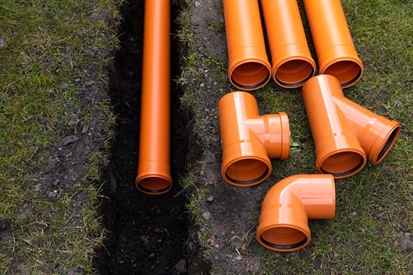
Understanding how wastewater moves through your home is more complex than it may seem at first glance. Many homeowners use the terms “drain line” and “sewer line” interchangeably, but they serve very different roles within a plumbing system. Inside your home, individual fixtures like sinks, showers, and toilets rely on a drain line to carry wastewater away efficiently. Beyond that, a larger system takes over, ensuring everything is transported safely away from your property. Knowing how these components work together can help you better understand your plumbing and recognize potential issues early.
Drain Pro Plumbing emphasizes clear, practical information to help homeowners make sense of their plumbing systems without confusion. In this article, we will break down how drain lines function inside the home, how sewer lines move wastewater away from the property, how these systems connect, where each is located, and the different types of maintenance and problems they commonly face. Each section builds on the last, giving you a complete picture of how wastewater travels from a single fixture all the way out of your home.
Understanding the Definition and Function of Drain Lines Inside the Home
Drain lines are the first stage of a home’s wastewater management system. These pipes are connected directly to individual plumbing fixtures such as sinks, bathtubs, showers, dishwashers, and toilets. Their primary role is to carry used water and waste away from these fixtures and into the home’s larger drainage system. Each fixture typically has its own branch line, which ensures that wastewater flows efficiently without interfering with other parts of the system.
Inside the home, drain lines are designed with gravity in mind. Pipes are angled slightly downward to allow wastewater to flow naturally without the need for mechanical assistance. Venting systems are also integrated to regulate air pressure, which prevents slow drainage and helps avoid issues like gurgling sounds or water siphoning from traps. These traps are critical because they block sewer gases from entering the home while still allowing wastewater to pass through.
Because drain lines handle localized wastewater from individual fixtures, they are more susceptible to buildup from everyday use. Soap residue, grease, hair, and debris can gradually restrict flow. Regular attention to a drain line helps maintain proper function and prevents small blockages from escalating into more serious plumbing problems.
What a Sewer Line Does: Moving Wastewater Away from the Property
The sewer line serves as the main exit point for all wastewater leaving a home. After water travels through individual drain lines and merges into a main drain within the house, it is directed into the sewer line once it exits the building. This pipe carries the entire volume of wastewater from the home to either a municipal sewer system or a private septic system, depending on the property’s setup.
Unlike interior drain lines, the sewer line must handle significantly higher volumes of water and waste. It is typically larger in diameter and built to accommodate everything from liquid waste to solid materials flushed from toilets. The system relies on gravity and proper pipe grading to maintain continuous flow away from the home, preventing backups and ensuring safe disposal.
Because the sewer line is responsible for transporting all wastewater away from the property, its performance is critical to the entire plumbing system. Maintenance and inspection of the sewer line are necessary to prevent major disruptions, as any blockage or failure can impact every drain within the home simultaneously.
How Drain Lines Connect to the Main Sewer Line in a Home Plumbing System
A home’s plumbing system is structured as a network of smaller branch lines that gradually combine into larger pipes. Each fixture connects to a localized drain line, and these branch lines feed into a main drain line within the home. This main drain acts as the central collection point for all wastewater generated indoors.
As wastewater accumulates in the main drain, it continues to flow downward and outward toward the foundation of the home. Once it passes beyond the building structure, the pipe transitions into what is known as the sewer line. This transition point is critical, as it marks the shift from interior plumbing components to the external system responsible for transporting waste away from the property.
The design of this system ensures efficiency and reliability. By combining multiple smaller flows into a single larger pipe, the system minimizes the risk of pressure imbalances and allows for consistent drainage. Proper installation and alignment are essential, as even slight deviations in slope or pipe connection can disrupt the entire flow process.
Location and Responsibility: Differences Between Indoor Drain Lines and Outdoor Sewer Lines
Drain lines are typically located within the structure of the home. They run behind walls, beneath floors, and through ceilings, connecting fixtures to the main drain. Because they are part of the interior plumbing system, homeowners generally have direct responsibility for their maintenance and repair. Access points such as cleanouts may be installed to allow for easier servicing when needed.
Sewer lines, by contrast, are located outside the home, usually buried underground. They extend from the foundation to the municipal connection point or septic system. The depth and placement of these lines are designed to protect them from environmental factors while maintaining proper flow through gravity. In many municipalities, homeowners are responsible for the portion of the sewer line that runs from the home to the connection point at the street.
This distinction between interior and exterior systems is important when diagnosing plumbing issues. Problems occurring inside the home are often related to drain lines, while widespread issues affecting multiple fixtures may indicate a concern with the external sewer line. Understanding where each system is located helps narrow down the source of a problem more efficiently.
Common Issues and Maintenance Differences Between Drain Lines and Sewer Lines
Drain lines commonly experience localized issues due to everyday usage. Materials such as grease, soap scum, hair, and food particles can accumulate over time, leading to slow drainage or minor clogs. These issues are usually isolated to a single fixture or a small section of piping, making them easier to identify and address. Routine cleaning and mindful usage play a key role in preventing buildup.
Sewer lines, on the other hand, are prone to more complex and large-scale problems. Because they handle all wastewater from the home, any obstruction or damage can affect multiple fixtures simultaneously. Tree root intrusion is a common issue, as roots are naturally drawn to moisture and can penetrate pipe joints. Structural problems such as pipe corrosion, shifting soil, or collapse can also disrupt the system.
The maintenance requirements for these systems differ significantly. Drain lines benefit from regular cleaning to prevent buildup, while sewer lines often require periodic inspection using specialized equipment to detect hidden issues. Addressing problems early helps reduce the risk of major backups and protects the integrity of the entire plumbing system.
Work With a Trusted Local Plumbing Team for Complete Drain and Sewer Solutions
Understanding the difference between drain lines and sewer lines is key to maintaining a reliable plumbing system, but addressing issues effectively often requires professional insight and experience. Drain Pro Plumbing provides comprehensive services that cover everything from routine drain maintenance to advanced sewer line diagnostics, helping homeowners in Rochester, Minnesota manage both interior and exterior plumbing systems with confidence.
Whether you are dealing with slow-moving drains, recurring clogs, or signs of a larger sewer issue, having a knowledgeable team can make a measurable difference. Drain Pro Plumbing can be reached at 952-469-6999. Their team uses proven methods and modern equipment to identify problems accurately and recommend appropriate solutions tailored to your system.
If you need help understanding your plumbing system or addressing a specific concern, the next step is simple. Visit their contact us page to schedule an inspection or service. Taking action early helps prevent minor issues from becoming costly repairs and keeps your home’s wastewater system operating as it should.